How to Remove Wallpaper Without Damaging Your Walls (4 Methods, Step by Step)

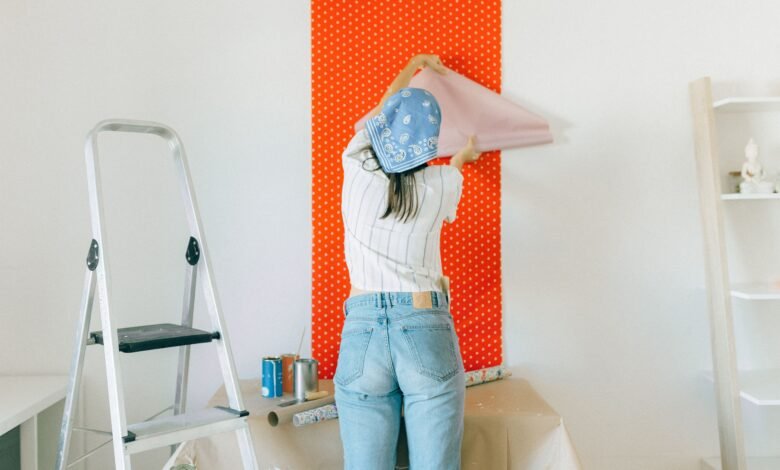
To remove wallpaper, first identify the type (peelable, strippable, vinyl-coated or traditional paper) and test a hidden patch. Then protect the room, switch off power to the walls you are working on, and choose a method: dry peeling for strippable paper, warm soapy water for most papers, a wallpaper stripper solution for stubborn glue, or a steamer for multiple layers. Score the surface if needed, soften the paper and adhesive, scrape gently, wash off all glue residue, then repair, sand and prime the wall before you paint or repaper. Expect about 2 to 6 hours for an average room, longer for several layers.
Safety note: If your home was built before the late 1970s, old paint under or on top of wallpaper may contain lead,how to remove wallpaper and some very old adhesives and backings may contain asbestos. Do not dry-scrape or sand until you have checked with a local professional or testing service. See the safety section below.
How to Remove Wallpaper: Start by Identifying the Type
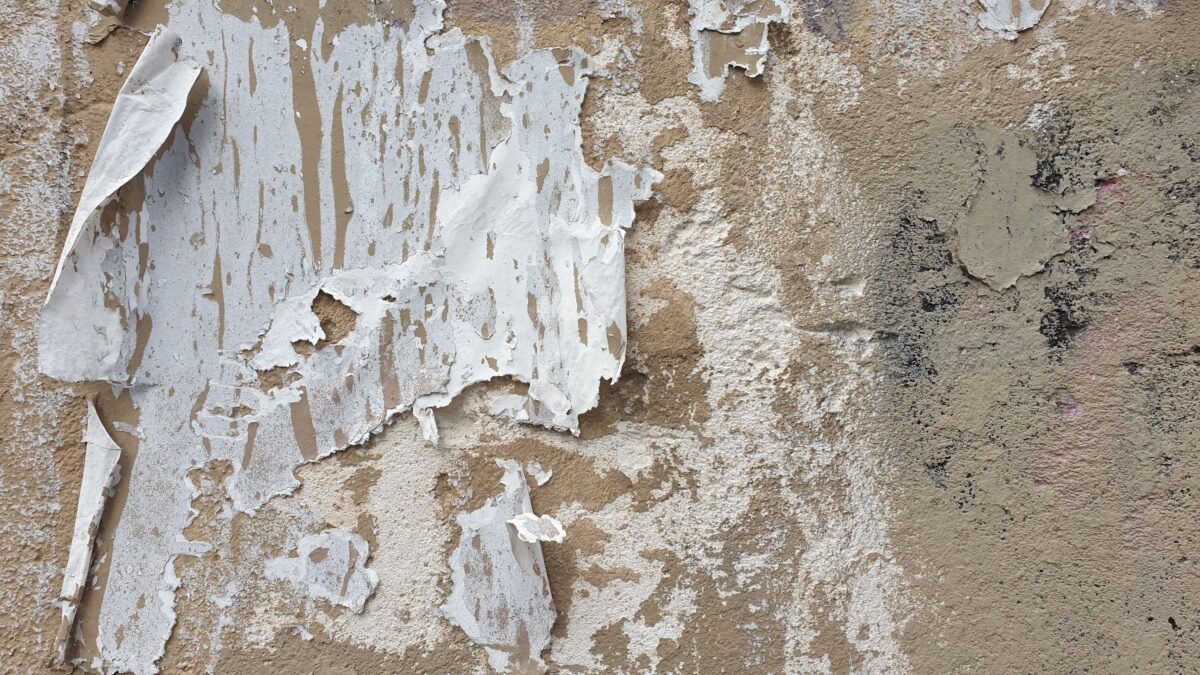
Most wallpaper removal problems come from using the wrong method for the wallpaper you have. Spend five minutes on this step and you will save hours.
| Wallpaper type | How to recognise it | Typical result |
|---|---|---|
| Peel-and-stick (self-adhesive) | Sticky backing, thin vinyl feel, often installed recently | Usually peels off in full strips, sometimes leaving a sticky residue |
| Strippable / peelable | A corner lifts easily and the whole sheet comes off, or the top layer comes off and leaves a thin paper backing | Dry peel; wash off any backing and glue |
| Vinyl-coated or washable | A plastic-like surface that water beads on | Top vinyl layer peels; paper backing stays and needs soaking |
| Traditional paper or non-strippable | Paper tears in small pieces; absorbs water | Needs scoring, soaking or steaming and scraping |
| Painted-over wallpaper | Paint covers the paper surface | Hardest case: water cannot get through, so scoring or steam is usually needed |
| Fabric, grasscloth or foil | Textured, woven or metallic finish | Can be fragile or damaged by water; how to remove wallpaper check manufacturer guidance or ask a professional |
Test a hidden corner first. Choose a spot behind a door or furniture. how to remove wallpaper Lift a corner with a plastic putty knife and pull slowly at a low angle.
- If a full sheet or the top layer comes away, you have strippable or peelable paper.
- If it tears in tiny pieces, you need to soften the glue.
- If water beads on the surface, you will need to score it so liquid can reach the glue.
Which Method Is Best? A Quick Selector
There is no single best way to remove wallpaper. how to remove wallpaper The right choice depends on your paper, your wall and your patience.
| Method | Best for | Pros | Cons | Effort |
|---|---|---|---|---|
| Dry peel | Strippable and peel-and-stick | Fastest, cheapest, least mess | Does not work on non-strippable paper | Low |
| Warm soapy water | Most traditional papers | Cheap, easy to find supplies | Too much water can damage drywall or seams | Medium |
| Wallpaper stripper solution | Stubborn glue and vinyl backing | Works faster than water alone | Needs ventilation and gloves; follow the label | Medium |
| Steamer | Multiple layers, painted-over paper, old glue | Very effective on hard jobs | Burn risk; needs care around outlets; can over-wet the wall | Medium to high |
Simple rule: Try dry peeling first. If it fails, score and use warm soapy water or a stripper. If the paper is thick, painted over or layered, use a steamer.
Tools and Supplies You Need Before Removing Wallpaper
- Plastic drop cloths and painter’s tape
- Plastic or flexible putty knife (a metal blade is for stubborn spots only, used with care)
- Wallpaper scoring tool (optional, but very helpful for water or stripper methods)
- Spray bottle, bucket and large sponges
- Dish soap or a wallpaper stripper solution
- Wallpaper steamer (optional, can often be rented)
- Rubber gloves, safety glasses and a dust mask or respirator as needed
- Trash bags and old towels
- Step ladder
- For repairs: lightweight spackle or joint compound, sanding block, primer
How to Prepare the Room and Protect Your Walls
1. Clear and cover
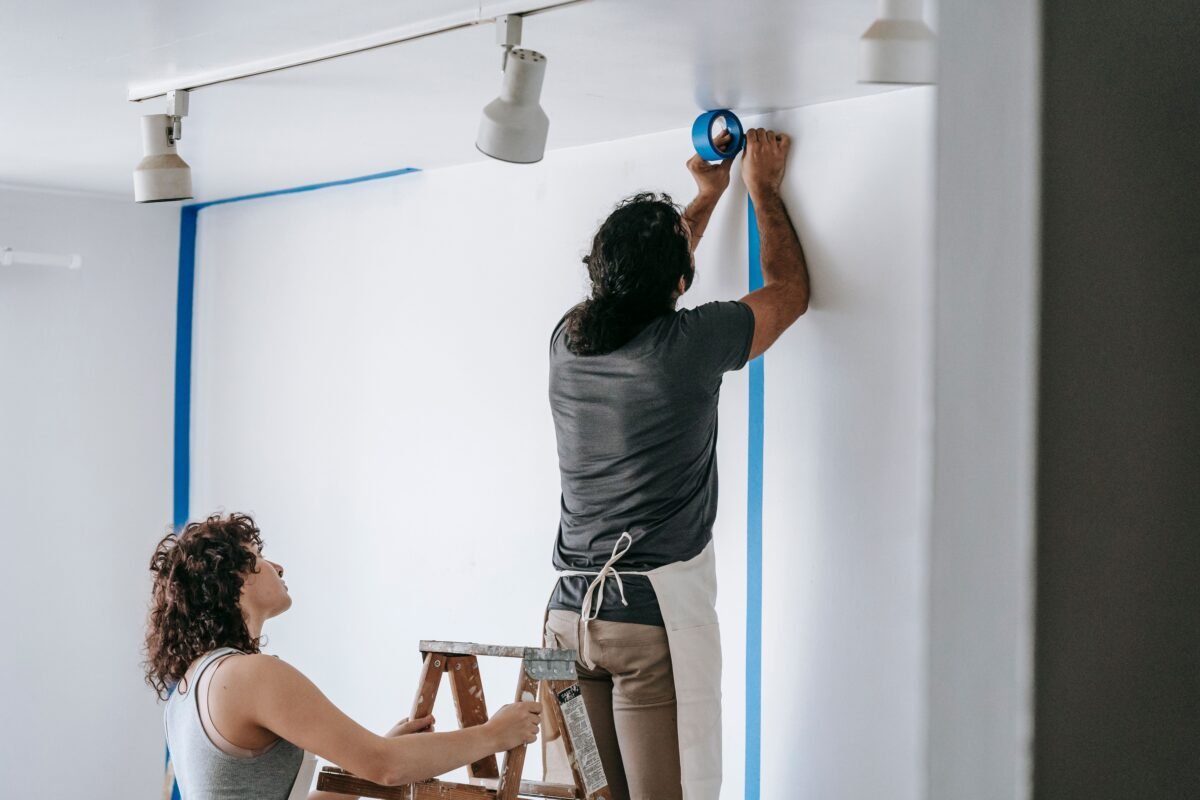
Move furniture out or to the centre of the room and cover it with plastic. how to remove wallpaper Cover floors with drop cloths, taping the edges to the baseboards. Wet wallpaper scraps are slippery, so use cloths that grip or put towels at the edge.
2. Switch off the power
Water and electricity do not mix. Turn off the circuit breaker for the room. Remove outlet and switch covers, then cover the exposed outlets with painter’s tape and plastic. how to remove wallpaper If you need light, use a battery lamp or an extension cord from another room, kept away from wet areas.
3. Protect yourself
Wear gloves and safety glasses. Open windows or use a fan for ventilation, especially if you use a chemical stripper. Keep children and pets out of the room.
4. Check the age of the home
If the house was built before the late 1970s, how to remove wallpaper ask a local professional about lead paint and asbestos testing before you scrape, sand or create dust. Wet methods reduce dust, but testing is the safe first step. Do not guess.
5. Look at the wall surface
- Painted or primed drywall: Usually the easiest, because water is less likely to damage it.
- Unprimed drywall: The paper facing can tear or lift if it gets too wet or is scored deeply. Be extra gentle and ask a professional if unsure.
- Plaster: Can handle a bit more moisture, but can crack or have loose areas. Test first.
4 Ways to Remove Wallpaper
Method 1: Peel off strippable wallpaper (dry peel)
Best for: Strippable, peelable and peel-and-stick wallpaper.
- Find a seam or loose corner, often near the ceiling or a corner of the room.
- Lift the edge with a plastic putty knife or your fingers.
- Pull slowly and at a low angle (close to parallel with the wall), how to remove wallpaper so the paper does not tear and the wall surface stays intact.
- Work in strips from top to bottom.
- If a thin backing remains, treat it as a stubborn backing (see the glue section below).
- For peel-and-stick residue, warm the area with a hair dryer on low to soften the adhesive, then peel slowly.
Safety tip: Stop if the wall paper or paint starts to lift. Switch to a gentler method.
Method 2: Remove wallpaper with warm water and dish soap
Best for: Most traditional papers and washable papers after scoring.
You need: Spray bottle or sponge, warm water, a few drops of dish soap, scoring tool, plastic putty knife.
- Score the wallpaper lightly. Run the scoring tool in small circles or lines. The aim is to make tiny holes so water can reach the glue, not to cut the wall. Use very light pressure, especially on drywall.
- Test a small area. Apply the soapy water and wait 10 to 15 minutes.
- Wet in sections. Work in a 1 metre (3 foot) area. Spray or sponge the paper until it is damp, not dripping.
- Wait. Give the water time to soak in. Re-wet if it dries.
- Scrape gently. Hold the putty knife at a low angle and slide under the paper. Peel the paper away.
- Keep wiping. Use a sponge and clean water to remove loose glue as you go.
- Move on to the next section.
Watch for: Water running down walls, soaked baseboards, how to remove wallpaper or wet drywall seams. If the wall is getting very damp, stop, dry it and switch to a lighter approach.
Method 3: Use a wallpaper stripper solution
Best for: Stubborn glue, vinyl backing and papers that do not respond well to water alone.
- Read the label and follow the mixing and safety instructions exactly.
- Ventilate the room and wear gloves and safety glasses.
- Test a hidden patch to make sure it does not stain or damage your wall.
- Score the wallpaper lightly.
- Apply the solution with a sponge or spray bottle.
- Wait for the time given on the label (often 10 to 20 minutes).
- Scrape and peel, then wipe the wall with clean water to remove the solution and glue.
Do not mix different chemical products together. how to remove wallpaper If you use a homemade mix such as diluted fabric softener or white vinegar in water, test it first, because results vary and some walls may react.
Method 4: Remove wallpaper with a steamer
Best for: Multiple layers, painted-over wallpaper, old and hardened glue.
- Fill the steamer with water and follow the manufacturer’s instructions.
- Score the paper lightly if it is painted or vinyl-coated.
- Hold the steam plate against the wallpaper for about 10 to 20 seconds, or as directed.
- Immediately slide a putty knife under the softened paper and peel.
- Work from the bottom up or top down in sections, how to remove wallpaper whichever lets the steam work best on your paper.
- Keep the steamer plate flat and moving. Do not let it sit in one place for a long time, because heat and moisture can damage drywall.
- Keep the hose and steamer away from outlets, and watch your hands and arms, since steam can burn.
Safety: Steamers can cause burns, and hot water can drip. Wear long sleeves and gloves, keep the area dry underfoot and never aim steam at electrical outlets.
How to Remove Stubborn Wallpaper Backing and Glue
Even after the main paper is gone, a thin backing or sticky glue often stays on the wall. If you paint over it, the paint can bubble or peel.
Remove leftover backing
- Spray the backing with warm water or stripper solution.
- Wait 10 to 15 minutes.
- Use a plastic putty knife to scrape gently. Apply more solution to stubborn sections.
Remove glue residue
- Mix warm water with a little dish soap, or use a glue remover that is safe for your wall.
- Wipe the wall with a sponge and wait a few minutes for the glue to soften.
- Scrape lightly or wipe with a clean sponge.
- Rinse the wall with clean water, then dry it with a towel.
- Run your hand over the wall. It should feel smooth, not tacky or slimy. If it does, repeat the cleaning.
Why it matters: Leftover glue can stop primer and paint from sticking, and it can cause bubbles or stains.
How to Remove Wallpaper Without Damaging Drywall
Drywall is a gypsum core covered with paper. If that paper surface gets wet or cut, it can tear, bubble or turn fuzzy.
- Check whether the wall was primed. If the wallpaper was applied to bare drywall, removal is riskier.
- Use less water than you think. Damp is enough. Dripping is too much.
- Score lightly. Deep scoring can cut through the wallpaper and into the drywall paper.
- Use plastic tools first. Use a metal blade only for stubborn spots, held flat.
- Work in small sections. Do not soak large areas at once.
- Let the wall dry fully. Give it at least 24 hours before repair or priming. A fan or dehumidifier can help.
- Stop if the wall paper lifts. If the drywall surface starts to peel off, stop using water, let it dry, and ask a professional about repair options.
If damage happens: Do not panic. It is common and can usually be fixed (see the repair section).
How to Repair and Prepare Walls After Wallpaper Removal
A wall that looks fine can still have glue, dents or stains that show through new paint or wallpaper. Take time to prepare.
- Wash the wall again. Remove every trace of glue and let the wall dry fully, ideally for 24 hours.
- Inspect in good light. Shine a flashlight sideways across the wall to show bumps, how to remove wallpaper dents, tears and rough areas.
- Repair damage. Fill small holes and dents with lightweight spackle or joint compound. For torn drywall paper, seal and smooth the area as recommended by the product maker.
- Sand smooth. Once dry, sand lightly and wipe off dust. Wear a dust mask. If lead paint is a possibility, do not dry sand until you have been advised by a qualified professional.
- Prime. Apply a suitable primer or sealer. Check with a paint shop: a stain-blocking or drywall primer may be needed if the surface is damaged, stained or was previously bare drywall.
- Let the primer dry according to the label, then check again for imperfections. Spot-fill and sand if needed.
- Paint or hang new wallpaper.
Common Wallpaper Removal Problems and How to Fix Them
| Problem | Likely cause | Fix |
|---|---|---|
| Paper tears into tiny pieces | Non-strippable paper or dry glue | Score lightly, soften with water, stripper or steam |
| Water beads on the surface | Vinyl or painted-over paper | Score the surface so liquid can get through, or use a steamer |
| Backing will not come off | Paper backing stuck to the wall | Re-wet, wait longer, scrape gently |
| Multiple layers | Previous wallpaper never removed | Steam or soak and remove each layer one at a time |
| Wall surface lifts or fuzzes | Too much water or aggressive scraping | Stop, dry the wall, seal and repair |
| Glue stays tacky | Glue not fully dissolved | Wash again with warm soapy water or a glue remover |
| Paint bubbles later | Leftover glue or moisture | Remove the paint in the area, how to remove wallpaper clean thoroughly, dry, prime and repaint |
| Strong smell | Stripper or damp wall | Ventilate; do not mix chemicals; dry the wall thoroughly |
How Long Does It Take and What Does It Cost?
| Room size | Time (typical range) | Notes |
|---|---|---|
| Small bathroom or powder room | 2 to 4 hours | Cleaner and easier to prepare |
| Average bedroom | 4 to 8 hours | Depends on paper and glue type |
| Large living room or multiple layers | A full day or more | Steamer often helpful |
Basic supplies (scraper, sponge, soap, drop cloths) are inexpensive. Stripper solution, a scoring tool and a steamer rental add cost, and prices vary by country and store. Allow extra time and money for wall repair, primer and paint.
Frequently Asked Questions
What is the easiest way to remove wallpaper?
The easiest way is to dry peel strippable wallpaper from a loose corner. If it does not come off in sheets, score it lightly and use warm soapy water or a stripper, or a steamer for stubborn or layered paper.
Can I remove wallpaper without a steamer?
Yes. Many jobs can be done with warm water and dish soap or a wallpaper stripper solution, a scoring tool and a plastic putty knife. A steamer helps with thick, painted-over or multi-layer paper.
How do I remove wallpaper glue?
Soften the glue with warm soapy water or a glue remover, scrape gently with a plastic putty knife, then rinse and dry the wall. The wall should not feel sticky when finished.
How do I remove wallpaper from drywall without damaging it?
Use as little water as possible, score lightly, work in small sections and let the wall dry fully. Plastic tools are safer than metal. If the drywall surface lifts, stop and repair it before continuing.
Can I paint over wallpaper instead of removing it?
Sometimes, but it can fail. Seams may show, paper can bubble and later removal becomes harder. It is usually better to remove wallpaper, especially if it is peeling or damaged. A professional can advise on your wall.
Final Checklist Before Painting or Installing New Wallpaper
- All wallpaper and backing removed
- Glue completely washed off and the wall no longer feels sticky
- Wall fully dry (allow at least 24 hours after wet work)
- Holes, dents and torn areas filled and sanded smooth
- Dust wiped off
- Primer applied and dry
- Outlet covers and switch plates ready to reinstall after the power is safe to turn on
Final Thoughts
Removing wallpaper is mostly about patience and preparation. Identify your wallpaper, test a hidden spot, protect the room and use the gentlest method that works. Take your time with glue removal and wall repair, because that final prep is what makes your next finish look professional.
