
Have you ever wondered what to do with vegetable peels, coffee grounds, fallen leaves, and other kitchen scraps? Instead of throwing them away, you can turn much of this everyday waste into something useful for your garden. Learning how to compost at home is a simple way to reduce household waste while creating a natural material that improves soil.
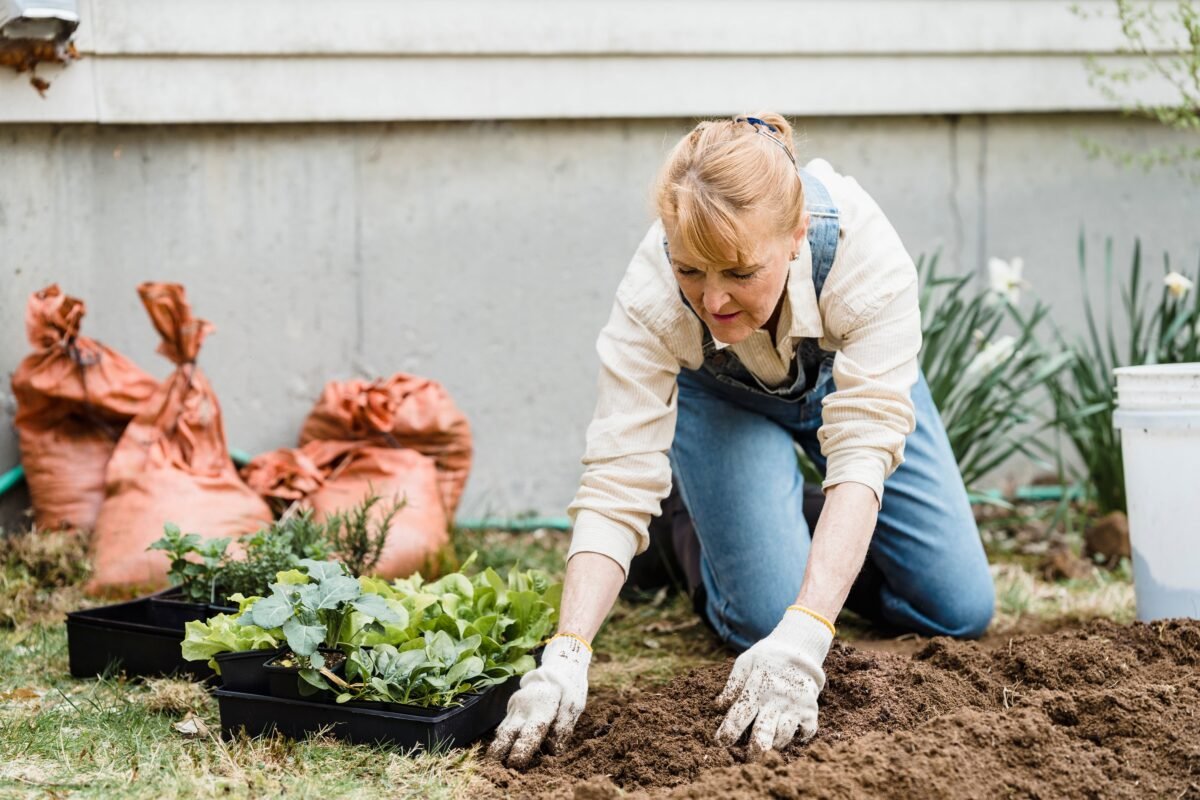
You do not need a large backyard, expensive equipment, or years of gardening experience to get started. A basic compost bin, the right mixture of organic materials, and a little patience are enough for most beginners. You can compost in a garden, on a patio, or even in a small outdoor space.
The key is understanding what goes into compost at home , how moisture and airflow affect decomposition, and when your compost is ready to use. This guide explains the composting process step by step, including easy compost bin ideas, common mistakes, and practical tips for making good how to compost at home.
What Is Home Composting , and How Does It Work?
how to compost at home is the process of turning organic waste into a dark, crumbly material that can be added to garden soil. Tiny organisms, including bacteria and fungi, break down suitable materials over time. Small soil creatures may also help with the process.
These organisms need a balanced supply of carbon-rich materials, nitrogen-rich materials, moisture, and oxygen. When these elements are in the right proportions, organic waste gradually decomposes into finished how to compost at home .
For example, dry leaves and cardboard provide carbon, while vegetable scraps and fresh grass clippings provide nitrogen. Mixing these materials creates better conditions for decomposition than piling up only one type of waste.
Composting at home also helps reduce the amount of organic material sent to landfills. Finished compost can improve soil structure, support beneficial soil organisms, and help soil retain moisture.
However, compost at home is not a complete replacement for every fertilizer. Its nutrient content varies depending on the materials used, and plants may still need additional nutrients to grow well.
The best way to start composting at home is to keep your setup simple. Choose a suitable location, collect a mixture of green and brown materials, and maintain the pile as it breaks down.
Choose the Right Compost Bin for Your Home
Before making compost at home , decide where you will keep it. Your available space, the amount of kitchen waste you produce, and your gardening goals will help determine the best composting method.
Use a basic outdoor compost bin
An outdoor how to compost at home bin is a convenient option for beginners with a garden or yard. You can purchase a ready-made compost container or build your own compost bin using untreated wood or another suitable material.
A good compost bin should allow airflow, retain some moisture, and provide enough room for organic materials to break down. Drainage is also important because waterlogged compost can develop unpleasant odors.
Place the bin on reasonably level ground in a convenient location. Partial shade is often helpful because it reduces excessive drying while allowing the compost to receive some warmth.
DIY Composting at Home on a Budget
If you prefer a low-cost setup, making a compost bin at home can be straightforward. A sturdy container with suitable ventilation holes may work for a small amount of garden and kitchen waste.
For a larger garden, you could build a simple wooden compost at home enclosure. Leave gaps between the boards or provide ventilation so air can move through the materials.
Avoid containers that are completely sealed or have no drainage. Compost needs oxygen, and excess water can interfere with the process.
How to Compost at home in a small space
You can still practice How to compost at home if you have a small garden or patio. A compact compost bin may be enough for a household that produces only a modest amount of organic waste.
Another option is a worm composting system, often called vermicomposting. This method uses composting worms to process suitable food scraps in a properly maintained container.
If you live in an apartment, check whether a small worm bin or a local food-scrap collection service would suit your situation. Indoor composting methods need extra attention to ventilation, moisture, and pest prevention.
Collect the Right Compost Materials
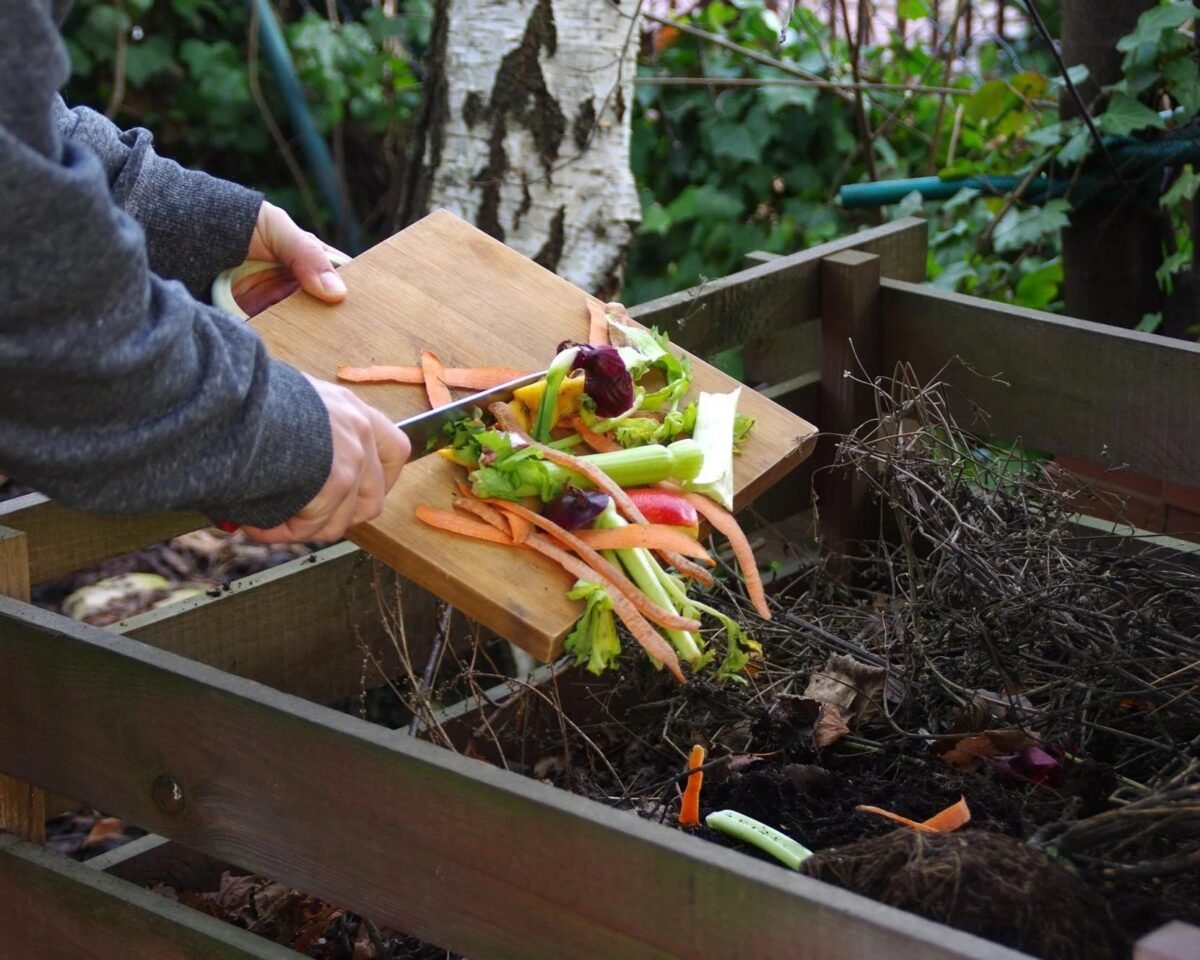
Choosing the right compost materials is one of the most important parts of successful composting. Most home compost systems work best when you combine two main categories: brown materials and green materials.
Brown materials: Your source of carbon
Brown materials are generally dry, carbon-rich ingredients. They provide energy for composting organisms and help create air spaces within the pile.
Useful brown compost materials include:
- Dry leaves and small amounts of untreated straw
- Shredded plain cardboard and uncoated paper
- Small twigs and untreated wood chips
- Dry garden plant material
- Plain paper egg cartons torn into small pieces
Break or shred bulky materials before adding them. Smaller pieces usually decompose more quickly because microorganisms can access more surface area.
Green materials: Your source of nitrogen
Green materials are generally moist and nitrogen-rich. They help support the organisms responsible for breaking down organic waste.
Common green compost ingredients include:
- Fruit and vegetable scraps
- Coffee grounds and paper coffee filters
- Tea leaves and ordinary paper tea bags, if suitable
- Fresh grass clippings in moderate amounts
- Young green plant trimmings
- Crushed eggshells
Despite the names, green materials do not have to be green, and brown materials do not have to be brown. What matters is their composition and how they behave in the compost pile.
What should you avoid putting in compost?
For a typical backyard compost bin, avoid adding meat, fish, bones, dairy products, cooking oils, and greasy food leftovers. These materials can attract pests and create unpleasant smells in a basic compost system.
Pet waste from dogs and cats should also be kept out of ordinary how to compost at home intended for food gardens. Diseased plants, weeds carrying mature seeds, and plants treated with persistent herbicides may cause additional problems.
Compostable packaging is not always suitable for a home compost bin. Some products require specific industrial composting conditions, so check the label and local guidance before adding them.
When in doubt, use familiar garden waste and uncooked fruit and vegetable scraps.
Build Your Compost Pile in the Right Way
Once you have your compost bin and materials ready, it is time to start the composting process.
Begin with a layer of coarse brown material, such as small twigs or dry plant stems. This helps improve airflow near the bottom of the bin.
Next, add a mixture of green and brown materials. A practical starting point is approximately two to three parts brown materials to one part green materials by volume. This is a general guideline rather than a strict formula, because different materials have different moisture levels and carbon-to-nitrogen ratios.
Cover fresh food scraps with a layer of dry leaves, shredded cardboard, or another suitable brown material. This helps reduce odors and makes the pile less attractive to flies.
Continue adding materials as you produce them. This approach is often called add-as-you-go composting.
If you are starting a new compost pile, avoid filling it entirely with wet kitchen scraps or fresh grass clippings. Too much green material can create a dense, soggy pile with limited airflow.
Likewise, a pile containing mostly dry leaves and cardboard may decompose slowly because it lacks sufficient nitrogen and moisture.
The goal is to create a loose mixture that feels like a wrung-out sponge: damp but not dripping wet.
Maintain Moisture, Airflow, and Temperature
Good compost at home needs more than the right ingredients. Regular maintenance helps organic materials break down efficiently and prevents common compost bin problems.
Keep the compost moist
Check the moisture level occasionally by squeezing a small handful of material while wearing suitable gloves.
If it feels dusty and dry, add a little water and mix the pile. If water drips out or the compost feels slimy, add dry brown materials and improve airflow.
A covered how to compost at home bin can help protect the pile from heavy rain and excessive drying. However, the cover should not prevent necessary ventilation.
Turn the compost regularly
Turning compost introduces oxygen and mixes the materials. Use a garden fork or compost aerator to move material from the outside toward the center.
For a traditional active compost pile, turning every week or two may help speed decomposition, provided the pile has enough moisture and suitable ingredients. A slower, less frequently turned pile can also produce good compost.
You do not need to turn every composting system. Worm bins and some enclosed systems require different maintenance methods, so follow the guidance appropriate to your setup.
Understand compost temperature
A sufficiently large, well-balanced compost pile can become warm as microorganisms break down organic matter. This is a normal part of active composting.
However, not every home compost at home pile becomes hot. Small bins, cool weather, and limited quantities of material can result in slower decomposition.
If you want to use compost to manage weed seeds or plant pathogens, do not assume an ordinary backyard pile has reached a safe temperature. Reliable temperature management requires appropriate monitoring and a suitable composting process.
For most beginners, consistent moisture, balanced materials, and good airflow are more useful starting points than trying to achieve a particular temperature.
Know When Your Compost Is Ready to Use
One of the most common questions about making how to compost at home is how long the process takes.
There is no single timeline. Under favorable conditions, an actively managed how to compost at home pile may produce usable material in a few months. A cooler, smaller, or less frequently turned pile may take six months to a year or longer.
Look at the compost rather than relying on a calendar.
Finished compost is usually dark brown, crumbly, and earthy-smelling. Most of the original materials should no longer be recognizable, although small woody pieces may remain.
If the pile still smells strongly of rotting food, looks slimy, or contains many recognizable fresh scraps, it probably needs more time or better maintenance.
You can screen finished compost to separate larger pieces. Return those unfinished materials to the bin for further decomposition.
For sensitive plants, seed starting, or other applications where immature compost may cause problems, allow additional curing time and use a suitable growing medium.
How to use homemade compost in your garden
Finished compost has several useful applications:
- Mix it into garden beds to improve soil structure.
- Add a moderate amount around established plants as a surface dressing.
- Blend it with suitable potting ingredients when the intended use and compost quality allow.
- Spread a thin layer over lawns when the compost is finely screened and appropriate for the grass.
Avoid placing large quantities of unfinished compost directly against plant stems or roots. More compost is not automatically better, and excessive application can create nutrient imbalances in some soils.
Common Composting Problems and How to Fix Them
Even a simple compost bin can develop problems, especially during the first few weeks. Fortunately, most issues can be corrected by adjusting the ingredients or conditions.
Problem: Your compost smells bad.
A sour or rotten smell often indicates excess moisture, too much nitrogen-rich material, or insufficient oxygen. Add dry leaves or shredded cardboard and gently turn the pile to improve airflow.
Problem: The compost is not breaking down.
Slow decomposition may result from dry materials, cold weather, large pieces, or an unbalanced mixture. Chop bulky scraps, check moisture, and add suitable green materials if the pile contains mostly dry browns.
Problem: You see flies around the compost bin.
Bury food scraps beneath a layer of brown materials and make sure the bin has a secure cover. Avoid adding meat, dairy, oily food, or other materials unsuitable for your composting method.
Problem: Your compost is too wet.
Heavy rain and excessive food scraps can make a pile soggy. Add dry brown materials, mix gently, and protect the bin from prolonged heavy rainfall while maintaining ventilation.
Problem: Your compost looks dry and inactive.
Add water gradually and mix the material. If the pile is very small, adding more suitable organic material may also help retain moisture and support microbial activity.
The best composting tips for beginners are simple: observe your pile, make small adjustments, and give the process time.
Frequently Asked Questions
What is the easiest way to compost at home?
The easiest method for many beginners is an outdoor compost bin containing a mixture of dry leaves, vegetable scraps, and other suitable organic materials. Keep the mixture damp, allow airflow, and add fresh scraps gradually.
Can I compost without a compost bin?
Yes. You can create a compost pile directly on suitable ground if you have enough outdoor space. A bin can help keep the materials organized, but a properly managed open pile can also work.
How often should I turn my compost?
For an active backyard compost pile, turning every one to two weeks is a reasonable starting point. You can turn it less often if you prefer a slower process. Check moisture and airflow instead of following a rigid schedule.
Can I put coffee grounds and eggshells in compost?
Yes. Coffee grounds are a useful nitrogen-rich ingredient, while crushed eggshells add calcium-containing material. Break eggshells into small pieces because they can decompose slowly.
Why is my compost not turning into soil?
Your compost may be too dry, too wet, low in nitrogen, poorly aerated, or exposed to cold conditions. Adjust the mixture and moisture, break up large pieces, and allow additional time. Compost is a soil amendment rather than actual topsoil.
Is homemade compost safe for vegetable gardens?
Properly finished how to compost at home made from suitable materials is commonly used in vegetable gardens. Avoid contaminated inputs, pet waste, and unfinished material that could harm plants. Follow local guidance for compost made from manure or potentially contaminated materials.
Conclusion
Learning how to compost at home does not require an expensive setup or a complicated routine. Start with a suitable compost bin or outdoor pile, combine carbon-rich brown materials with nitrogen-rich green materials, and maintain the right balance of moisture and airflow.
As you gain experience, you will learn which compost ingredients are readily available in your household and how your pile responds to different conditions. Keep food scraps covered, correct unpleasant odors early, and give the materials enough time to break down.
With a little patience, your kitchen and garden waste can become useful homemade compost that improves soil structure and supports healthier garden growth. Start small, stay consistent, and make composting part of your regular gardening routine.